Source handmade wool felt beret for Winter, Spring, and Casual Use
Compare 30 handmade wool felt beret options from verified suppliers. Buyers can evaluate materials like 100% wool and viscose, sizes, colors, and customization features for winter, spring, and autumn wear; compare the available evidence and request quotations based on your requirements.
Key considerations
Products List
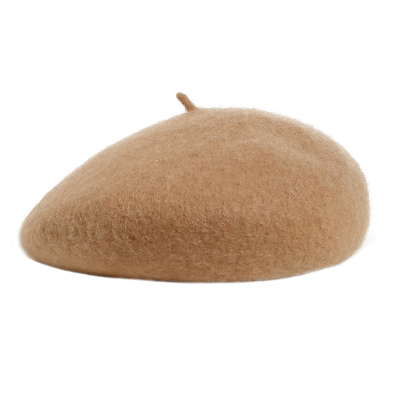
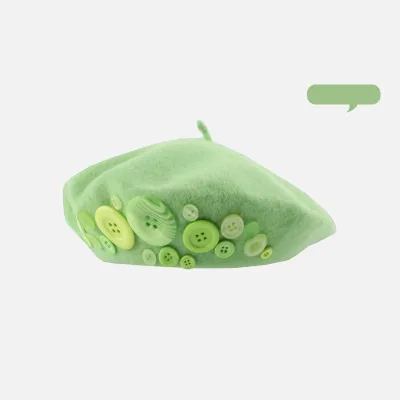
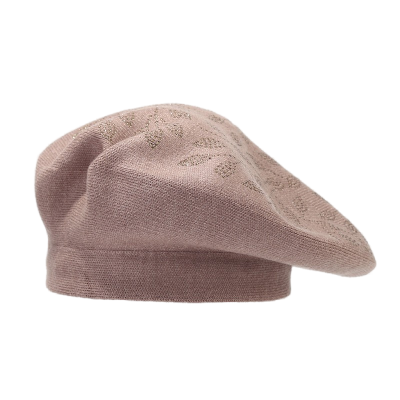


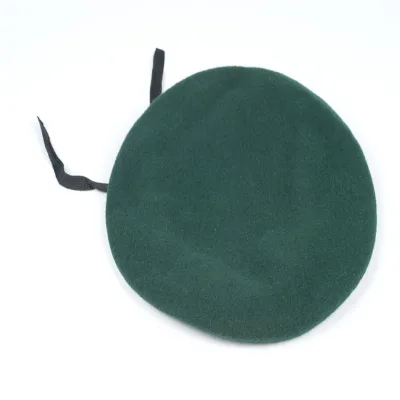


Comprehensive Sourcing Guide
Handmade Wool Felt Beret Sourcing Guide
Sourcing handmade wool felt berets requires a nuanced understanding of material integrity and artisanal craftsmanship. Buyers must distinguish between mass-produced knitwear and true felted wool, which offers superior windproofing and structural durability. The market often lists generic wool blends, but genuine felted wool provides better shape retention and thermal insulation for winter and autumn conditions. Procurement teams should prioritize suppliers who explicitly state their felting process, as this technique densifies the fibers to create a water-resistant and windproof fabric ideal for casual and outdoor use.
Verification of the manufacturing origin is critical, as regions like Zhejiang, China, are known for high-volume textile production. Buyers should assess whether the supplier maintains artisanal standards or relies on automated machinery that may compromise the "handmade" claim. The distinction between machine-made and hand-finished products significantly impacts the final price point and the perceived value of the accessory. Understanding this difference helps buyers align their procurement strategy with their brand’s positioning, whether they seek affordable volume or premium, handcrafted exclusivity.
Product Scope and Observed Listing Signals
Current market listings reveal a diverse range of beret styles, from simple solid colors to those featuring heat-transfer printing or hand embroidery. Observed product attributes indicate a strong preference for versatile designs suitable for spring, autumn, and winter seasons. Buyers will encounter items labeled with specific model numbers such as 3295 or 8210, which often correspond to distinct material compositions like 100% wool or viscose fiber. These variations suggest that the term "wool felt" may sometimes be used loosely in listings, requiring careful scrutiny of the material specification to ensure the product meets the intended thermal and aesthetic requirements.
Color options are extensive, ranging from classic black and gray to vibrant shades like peacock blue and watermelon red. The presence of adjustable sizing or fixed head circumferences, typically around 56-58cm, indicates that fit consistency is a key concern for buyers. Some listings highlight features like big brims or custom logos, which appeal to brands seeking unique design elements. Procurement teams should note that while many products claim to be for adults, the actual fit and style may vary significantly between suppliers, necessitating sample evaluation to confirm that the visual appeal matches the product description.
Technical Specifications to Verify
Material composition is the most critical technical specification to verify when sourcing wool felt berets. Buyers must confirm whether the product is made from 100% wool, viscose fiber, or a blend, as this directly affects durability, care instructions, and price. The fabric type should be explicitly stated as wool or felted wool, rather than generic knitwear. Additionally, the weight of the single package, often around 0.500 kg, provides insight into the density of the material. Thicker, heavier berets generally offer better insulation and windproofing, which are essential for winter wear, while lighter versions may be more suitable for transitional seasons.
Construction details such as the presence of a crown, brim, and specific technics like heat-transfer printing or hand embroidery also define the product’s quality. Buyers should verify if the beret is washable, as this impacts long-term maintenance and customer satisfaction. The single package size, typically ranging from 20x15x5 cm to 25x10x5 cm, is important for logistics planning and inventory management. Furthermore, the model number and size adjustability should be cross-referenced with supplier catalogs to ensure consistency across orders, preventing discrepancies in fit and appearance that could lead to returns or customer dissatisfaction.
Compliance and Safety Documentation
While specific certification statuses like OEKO-TEX or ISO 9001:2015 are not confirmed for all listings, buyers should proactively request documentation to ensure product safety and quality management. For wool products, verifying the absence of harmful substances and allergens is crucial, especially for items worn close to the skin. Buyers should inquire about the supplier’s adherence to international textile standards, which may include testing for colorfastness, shrinkage, and fiber content accuracy. These tests ensure that the beret maintains its appearance and integrity after repeated use and cleaning, which is a key expectation for consumers.
Documentation regarding the origin of materials and the manufacturing process can also mitigate risks associated with supply chain transparency. Buyers should ask for proof of ethical sourcing practices, particularly if the berets are marketed as premium or artisanal products. Although some listings mention standards "as your request," this implies that compliance can be tailored to specific market requirements. Procurement teams should establish clear documentation requirements in their contracts, ensuring that suppliers provide necessary certificates and test reports before production begins, thereby safeguarding against potential regulatory issues in target markets.
Cost Drivers and Commercial Terms
The price range for wool felt berets typically spans from $0.50 to $7.20, reflecting significant variations in material quality, craftsmanship, and order volume. Lower prices often correspond to viscose blends or machine-made items, while higher prices are associated with 100% wool and hand-finished details. The minimum order quantity (MOQ) varies widely, from as low as 1 piece to 500 pieces, allowing buyers to test the market with small orders or commit to larger volumes for better pricing. Understanding these cost drivers helps buyers negotiate effectively and align their budget with their sales strategy, ensuring they do not overpay for features that do not add value to their target audience.
Commercial terms such as customization availability and logo printing services can also impact the final cost. Suppliers offering custom logos or specific packaging, like individual polybags, may charge additional fees. Buyers should clarify these costs upfront to avoid unexpected expenses. Additionally, the lead time and production capacity of the supplier should be considered, especially for seasonal items like winter berets. Establishing clear commercial terms, including payment methods and shipping responsibilities, ensures a smooth transaction process and helps manage cash flow effectively throughout the procurement cycle.
Supplier Qualification and Quality Control
Evaluating supplier qualification involves assessing their production capabilities, quality control processes, and reputation in the market. Buyers should prioritize suppliers who demonstrate a clear understanding of wool felt manufacturing and can provide detailed product specifications. Requesting samples is essential to verify the quality of the material, stitching, and overall finish. Suppliers who offer customization options, such as specific colors or designs, should also be evaluated for their ability to maintain consistency across large orders. This due diligence helps identify reliable partners who can meet the buyer’s quality standards and delivery expectations.
Quality control measures should be integrated into the procurement process to minimize defects and ensure product consistency. Buyers should establish clear quality criteria, including acceptable levels of shrinkage, color variation, and structural integrity. Regular inspections, either during production or upon arrival, can help identify and address issues early. Additionally, maintaining open communication with suppliers regarding any quality concerns fosters a collaborative relationship and encourages continuous improvement. By implementing robust quality control practices, buyers can protect their brand reputation and ensure customer satisfaction with the handmade wool felt berets they source.
Long-Term Procurement Checks
Long-term procurement success depends on continuous monitoring of supplier performance and market trends. Buyers should regularly review supplier metrics, such as on-time delivery rates, defect rates, and responsiveness to issues. This data-driven approach helps identify potential risks and opportunities for improvement. Additionally, staying informed about changes in material costs, regulatory requirements, and consumer preferences allows buyers to adapt their sourcing strategy proactively. By maintaining a dynamic procurement process, buyers can ensure that their supply chain remains resilient and competitive in the ever-changing fashion market.
Building strong relationships with suppliers is also crucial for long-term success. Collaborative partnerships can lead to better pricing, priority production slots, and access to new designs. Buyers should engage in regular communication with their suppliers, sharing feedback and discussing future needs. This engagement fosters trust and encourages suppliers to invest in the relationship. Furthermore, exploring diversification strategies, such as sourcing from multiple suppliers, can mitigate risks associated with single-source dependencies. By focusing on relationship building and strategic planning, buyers can secure a stable and high-quality supply of handmade wool felt berets for their business.
FAQs
What materials are used for handmade wool felt berets?
The berets are crafted from 100% wool or viscose fiber. Wool options provide warmth and durability for winter wear. Viscose variants offer a softer texture suitable for all-season use. Buyers can choose based on desired comfort and seasonal requirements.
Can I customize the logo on these berets?
Yes, custom logos are available for bulk orders. The supplier supports heat-transfer printing and hand embroidery techniques. This allows for precise branding integration. Buyers should confirm design files and placement details with the manufacturer before production begins.
What is the minimum order quantity for these berets?
The minimum order quantity is typically 10 pieces. Some listings indicate a range from 1 to 500 pieces depending on the specific model. Buyers should verify the exact MOQ for their chosen style and color options with the supplier.
Which sizes are available for the wool berets?
Standard sizes include 56-58cm head circumference. Adjustable options are also available for a flexible fit. The single package size is approximately 20x15x5 cm. Buyers should measure head circumference to ensure proper fit before ordering.
Where are these berets manufactured?
These berets are manufactured in Zhejiang, China. The production origin is consistently listed as China. Buyers can expect standard Chinese manufacturing practices. Shipping details and lead times should be confirmed directly with the supplier.
What colors are available for the wool berets?
Multiple colors are available including black, white, red, blue, and camel. Specific models offer options like peacock blue or watermelon red. Buyers can select from plain dyed patterns. Color availability may vary by model number and season.